
Why Perfume Smells Different on You: Skin Chemistry
Table of Contents
- Why Your Perfume Smells Different on You: The Basics
- The Science of Skin Chemistry and Fragrance
- Does Skin Type Affect Perfume Longevity?
- The Microbiome, Medication, and Diet: Hidden Scent Factors
- How to Make Perfume Last Longer on Your Skin
- How to Store Perfume Properly for Consistent Results
- Conclusion
- Frequently Asked Questions
Last Updated: September 30, 2026
Why Your Perfume Smells Different on You: The Basics
If you have ever wondered why does my perfume smell different on me than it did on the tester strip or on a friend, the answer lives in skin chemistry. Skin chemistry is the combined effect of your skin's pH, oil production, moisture levels, temperature, and bacterial population on how a fragrance develops once it touches your body. This guide from Ruth+Bo breaks down the science behind that shift and what you can do about it.
Fragrance is not a fixed object. It is a chemical conversation between a formula and your skin.
How Fragrance Notes Unfold on Skin
Every fragrance is built in three stages: top notes, heart notes, and base notes. Top notes hit first and fade within minutes. Heart notes carry the core character for the first few hours. Base notes, usually fixatives like woods, resins, and musk, anchor the scent and determine how long it lingers.
The Science of Skin Chemistry and Fragrance
Fragrance molecules bind to the surface of your skin, then evaporate at rates set by your body's temperature, moisture, and oil content. Change any one of those variables and the scent profile shifts. This is not marketing language; it is basic evaporation physics applied to aroma chemicals.
pH Balance, Sebum, and Scent Projection
Your skin's pH balance typically sits in a mildly acidic range (pubmed.ncbi.nlm.nih.gov). Sebum production and moisture levels vary widely from person to person. Acidic skin tends to amplify citrus and green notes while muting heavier base notes. More alkaline skin often pushes sweet and powdery accords forward.
Body Heat and Evaporation Rate
Body heat is the engine of evaporation rate. Warmer skin, whether from exercise, a hot room, or natural metabolism, pushes fragrance molecules into the air faster. That increases projection in the short term but shortens longevity overall.
Does Skin Type Affect Perfume Longevity?
Yes, and the effect is large enough to plan around. Oily skin holds fragrance longer because sebum gives aroma molecules something to dissolve into and slows their escape into the air. Dry skin loses scent quickly because there is less oil and moisture to anchor the molecules, so they evaporate almost as fast as they would from a tester strip.
- Longevity, how long the scent is detectable at all.
- Scent character, whether the fragrance smells the way it did on paper.
How the Skin Types Behave
- Oily skin. Longest wear time, strongest projection, highest risk of a fragrance reading heavier or sweeter than intended. Base notes can dominate earlier than the perfumer designed.
- Dry skin. Shortest wear time, quietest projection, highest risk of top notes vanishing within minutes and the whole arc collapsing. Citrus and light florals suffer most.
- Combination skin. Behaves differently across the body. The T-zone, chest, and back tend to be oilier than forearms and wrists, so the same fragrance can last four hours on the neck and ninety minutes on the wrist.
- Mature skin. Oil and moisture production typically decline with age, which is one reason a fragrance someone wore in their twenties can feel thinner decades later. It is not the formula; it is the canvas.
What Actually Helps
Application order matters more than application amount.
- Moisturize first. A fragrance-free lotion or a light unscented oil applied to pulse points gives dry skin an artificial sebum layer to hold molecules. This is the single highest-impact fix for dry skin and the basis of most layering routines.
- Apply to the oiliest zones first. Neck, chest, and inner elbows hold scent longer than wrists. If you want the fragrance to still be present at hour six, put it where your skin is not dry.
- Do not rub. Rubbing generates friction and heat, which accelerates evaporation of the top notes and muddies the opening. Spray and let it dry.
- Reapply selectively, not everywhere. On dry skin, a single reapplication to the wrists mid-day restores the opening without stacking base notes into something heavy.
- Match the formula to the skin. Eau de parfum concentrations generally outlast eau de toilette on dry skin because there is more fragrance oil per spray to compensate for faster evaporation. On oily skin, the difference is smaller and an eau de toilette may be preferable to avoid heaviness.
The Practical Test
Wear a fragrance for a full day before judging it. The first ten minutes tell you almost nothing about how it will behave on your skin type. Note when the top notes disappear, when the heart peaks, and whether anything is still detectable at hour six. Two or three full-day wears across different weather will tell you more than any in-store test.
The Microbiome, Medication, and Diet: Hidden Scent Factors
Most guides stop at pH and skin type. The variables below are the ones they skip, and they are often the reason a fragrance that worked for years suddenly reads differently.
Your Skin Microbiome Is Doing Chemistry on Your Perfume
Your skin hosts billions of bacteria, fungi, and other microorganisms, and the mix varies by body site, age, and individual. On the forearm alone, the dominant bacterial groups tend to be staphylococci and corynebacteria, and their relative proportions differ from person to person.
Medication and Supplements
Prescription drugs can change body odor and, by extension, how a fragrance reads on you. The mechanism is usually one of three:
- Altered sweat composition. Some medications change what your sweat glands excrete, which changes the raw material your skin bacteria have to work with.
- Changed skin oil or moisture. Drugs that dry out skin (including many antihistamines and some acne treatments) reduce the oil base that fragrance molecules bind to, so scent fades faster.
- Metabolic byproducts. Certain compounds are excreted through sweat and breath and carry their own odor, which then blends with your perfume.
Diet
Diet's effect on how a perfume smells is real but slow. Strong spices, garlic, onion, and regular alcohol intake can influence body odor over days to weeks as their metabolites work through sweat. The change is rarely dramatic enough to "ruin" a fragrance, but it can nudge a borderline scent in one direction.
How to Make Perfume Last Longer on Your Skin
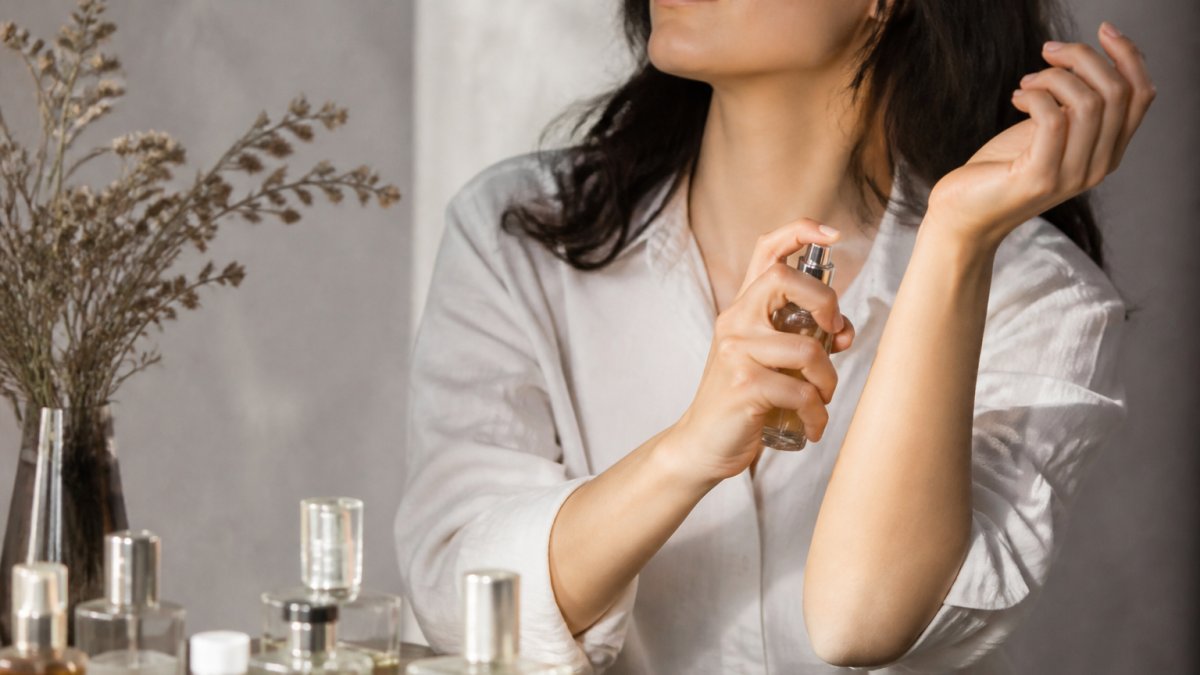
Learning how to make perfume last longer starts with preparation, not with spraying more. Hydrated skin holds fragrance better, so apply a fragrance-free lotion or moisturizer first. Then target pulse points: wrists, inner elbows, behind the ears, and the base of the throat, where body heat helps diffuse the scent.
| Step | What to Do | Why It Works |
|---|---|---|
| 1. Prep | Apply fragrance-free moisturizer | Gives molecules a base to bind to |
| 2. Target | Spray pulse points | Body heat aids diffusion |
| 3. Apply | Spray, do not rub | Preserves top notes |
| 4. Layer | Lotion, then fragrance | Slows evaporation rate |
| 5. Test | Wear for a full day | Reveals true dry-down |
How to Store Perfume Properly for Consistent Results
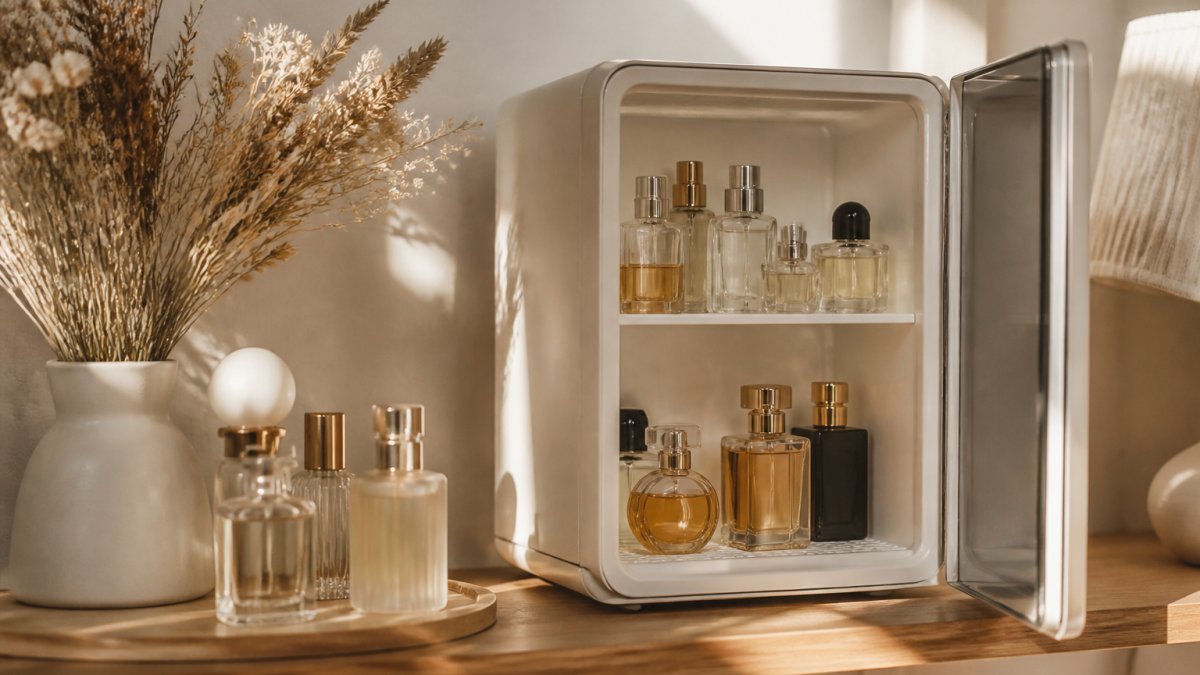
Knowing how to store perfume properly protects the formula from degrading before it ever reaches your skin. Heat, light, and oxygen are the three enemies. Keep bottles away from bathroom windowsills and car consoles, and store them in a cool, dark cabinet.
Conclusion
The gap between how a perfume smells in the bottle and how it smells on you comes down to variables you can actually influence: hydration, application technique, storage, and how you test. Understanding your own skin chemistry turns guesswork into a repeatable process.
Frequently Asked Questions
Why does my perfume suddenly smell different on me?
Your skin chemistry shifts over time. Hormonal changes, new medications, diet shifts, and even stress can alter your skin's pH balance and sebum production, which changes how fragrance molecules interact with your skin. A scent you wore for years may smell sharper, sweeter, or flatter because the surface it lands on has changed. This is normal and does not mean the perfume has gone bad.
Does diet affect how perfume smells on your skin?
Yes. Foods rich in sulfur, garlic, onions, and heavy spices can influence your body's natural scent and how fragrance develops on your skin. Alcohol and caffeine affect body temperature and sweat, which changes evaporation rate and scent projection. Staying hydrated supports skin barrier health, which helps fragrance wear more evenly and last longer throughout the day.
How do skin pH levels impact fragrance longevity?
Skin pH typically ranges from 4.5 to 5.5. When your skin is more acidic, citrus and floral top notes fade faster because the acidic environment speeds up evaporation. More alkaline skin can make certain base notes smell heavier or slightly sour. Supporting your skin barrier with gentle moisturizers helps maintain a balanced pH, which keeps a scent closer to its intended profile.
Why does my perfume smell different on someone else?
Every person has a unique combination of skin pH, sebum production, body heat, and microbiome composition. These factors determine how top notes, heart notes, and base notes unfold. Two people wearing the same fragrance can produce completely different scent trails because the fragrance molecules bind to and evaporate from skin at different rates based on individual biology.