
Beyond Department Store Samples: Niche Perfume Discovery
Table of Contents
- Why Department Store Samples Are Falling Short
- Why Niche Perfume Is Better for Finding Your Signature Scent
- Niche Perfume Discovery Sets: The Best Alternative
- How to Test Perfume at Home Like a Pro
- Where to Find Authentic Decants and Samples Online
- The Hidden Costs: Comparing Price Per Milliliter
- Storing Your Samples and Decants for Maximum Shelf Life
- Your Next Step Toward a Meaningful Fragrance Wardrobe
- Frequently Asked Questions
Last Updated: September 7, 2026
The ritual of spritzing a tester strip at a department store fragrance counter is becoming harder to enjoy, as staffing levels, security measures, and shifting retail priorities make accessing sample vials more difficult. This guide from Ruth+Bo explores reliable alternatives to department store fragrance samples, focusing on targeted discovery methods that help you find a signature scent without the guesswork or guilt of a blind buy.
Niche perfume represents a shift away from mass-market launches toward smaller houses that prioritize artistry and narrative. Below, we break down the best ways to sample these scents safely, affordably, and authentically, addressing the hidden costs, storage concerns, and authenticity risks that most guides overlook.
Why Department Store Samples Are Falling Short
The decline of the free sample is a direct result of changing economics in the retail beauty sector. Fragrance counters are increasingly staffed by brand representatives focused on high-ticket sales rather than educational discovery, and the cost of producing individual vials has led many houses to cut sampling budgets entirely.
When samples are available, they are often limited to a specific scent profile the retailer wants to push, restricting your ability to explore top notes and dry down variations across a collection. The pressure to purchase at the counter can also rush your decision, leaving little time to assess how the scent evolves on your skin over several hours.
Why Niche Perfume Is Better for Finding Your Signature Scent
Niche perfume offers a distinct advantage over designer fragrances: complexity and individuality. Unlike mass-market scents engineered for broad appeal, niche houses often use higher concentrations of rare ingredients, resulting in better longevity and a more pronounced sillage.
A niche fragrance is designed to tell a story, unfolding in distinct phases from the initial spray to the final dry down hours later. For conscious consumers who value clean, IFRA-compliant ingredients and support small, family-owned businesses, niche houses frequently offer greater transparency about sourcing and production than large conglomerates.
Niche Perfume Discovery Sets: The Best Alternative
Discovery sets are the most effective answer to sampling without a counter. These curated collections of sample vials allow you to live with several scents for days, testing them in different weather, moods, and settings before committing to a full bottle.
Ruth+Bo offers discovery sets specifically designed for this purpose, allowing you to explore story-driven fragrances rooted in faith and timeless narratives. This approach turns sampling into a deliberate ritual, letting you take your time to see how a scent interacts with your skin chemistry.
Comparing the Top Discovery Services in 2026
When looking for niche perfume discovery sets, you have several distinct options, each with different strengths.
| Service | Model | Entry Point | Best For |
|---|---|---|---|
| Ruth+Bo | Curated Discovery Sets | Set-based pricing | Story-driven, faith-based scents |
| Scentbird | Monthly Subscription | $17.00/month | Building a rotating fragrance wardrobe |
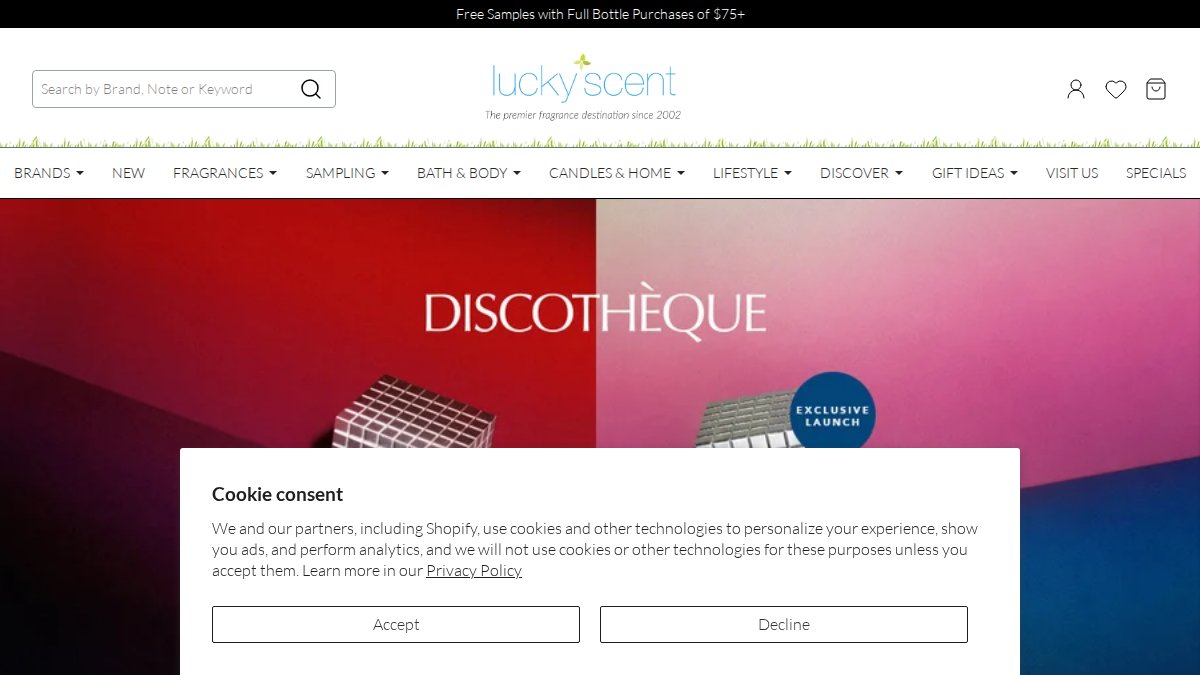
| Luckyscent | A la Carte Samples | $4.00 per sample | Rare and artistic niche brands |
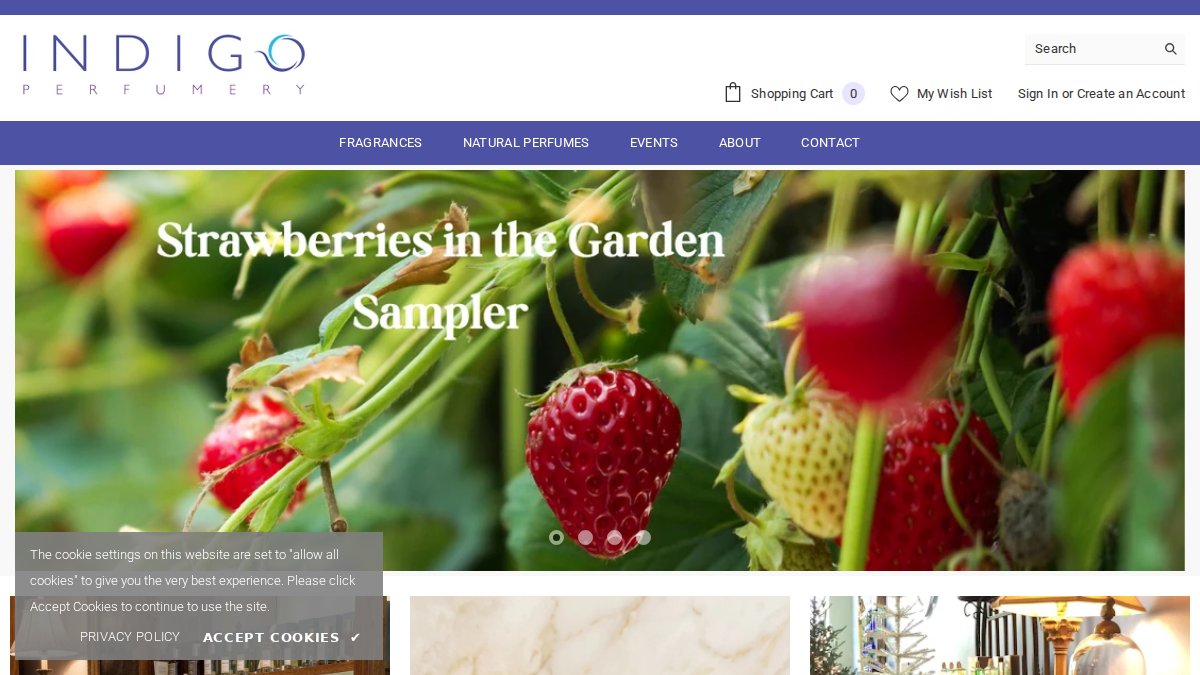
| Indigo Perfumery | Customizable Sample Packs | $5.00 per sample | Supporting independent boutiques |
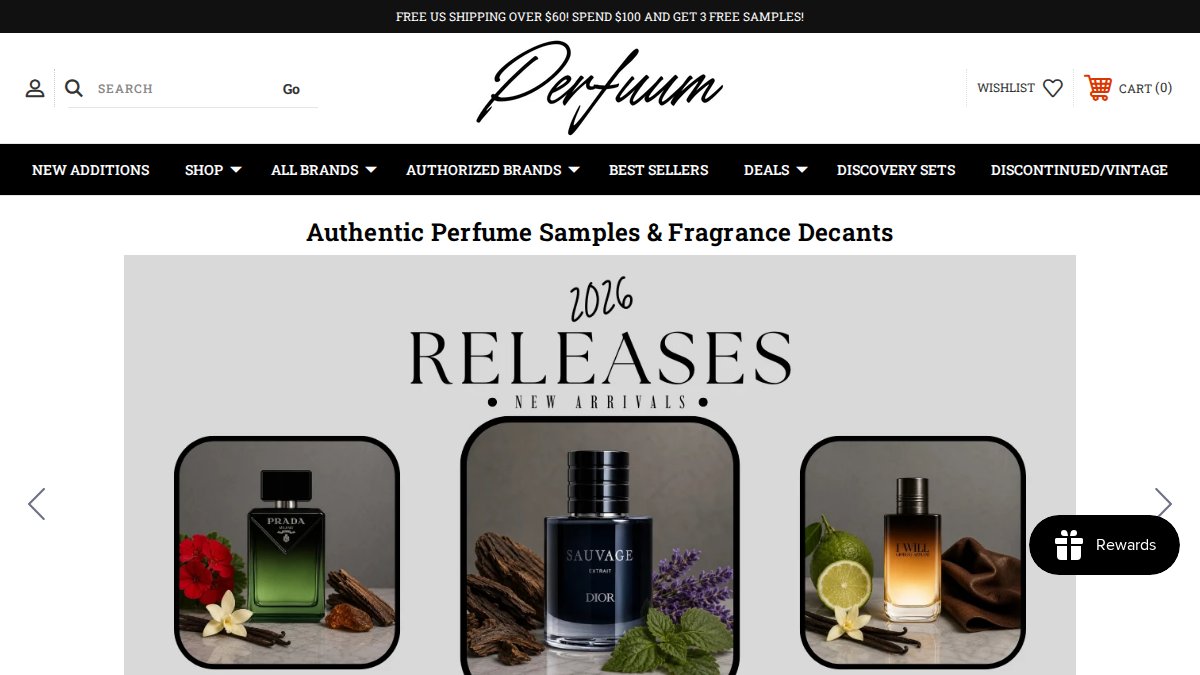
| Perfuum | Decant Service | $4.99 per sample | Testing luxury scents in larger amounts |
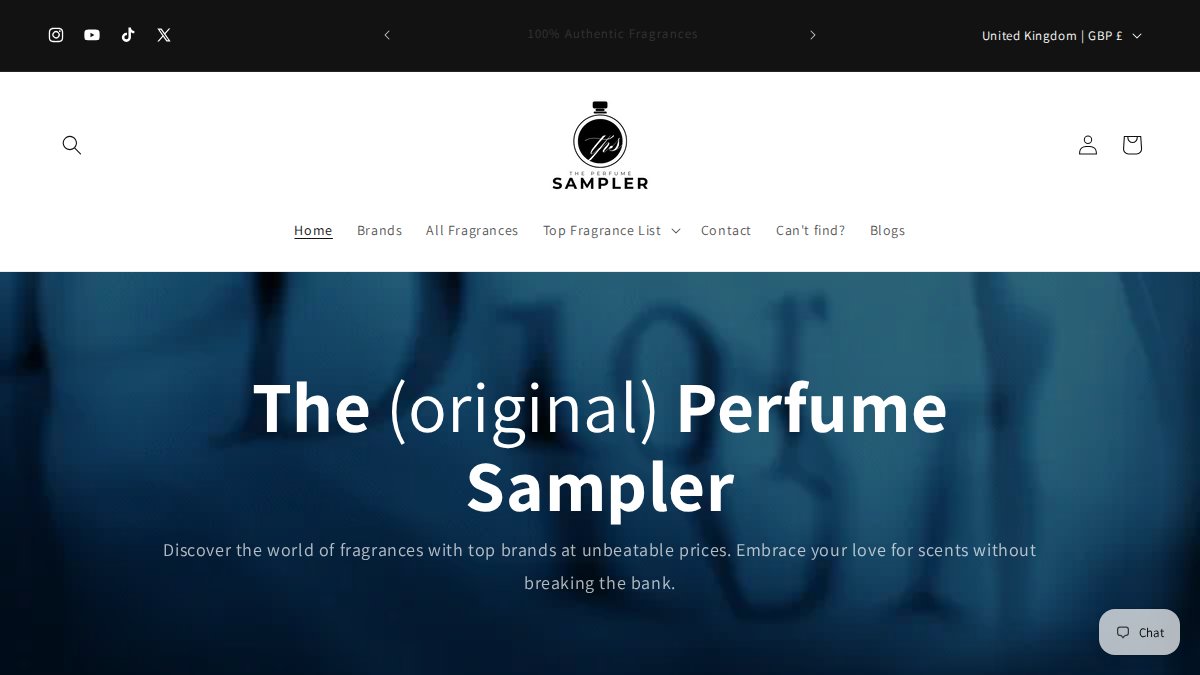
| The Perfume Sampler | A la Carte Decants | $4.97 per sample | Budget-conscious testing |
How to Test Perfume at Home Like a Pro
Testing perfume at home requires a methodical approach to understand the scent profile fully, moving beyond the initial burst of top notes to the heart and base notes that emerge later. Here is the step-by-step process fragrance enthusiasts and perfumers use to evaluate a scent properly.
The Two-Phase Testing Method
Phase 1: The Paper Strip Test (First 30 Minutes)
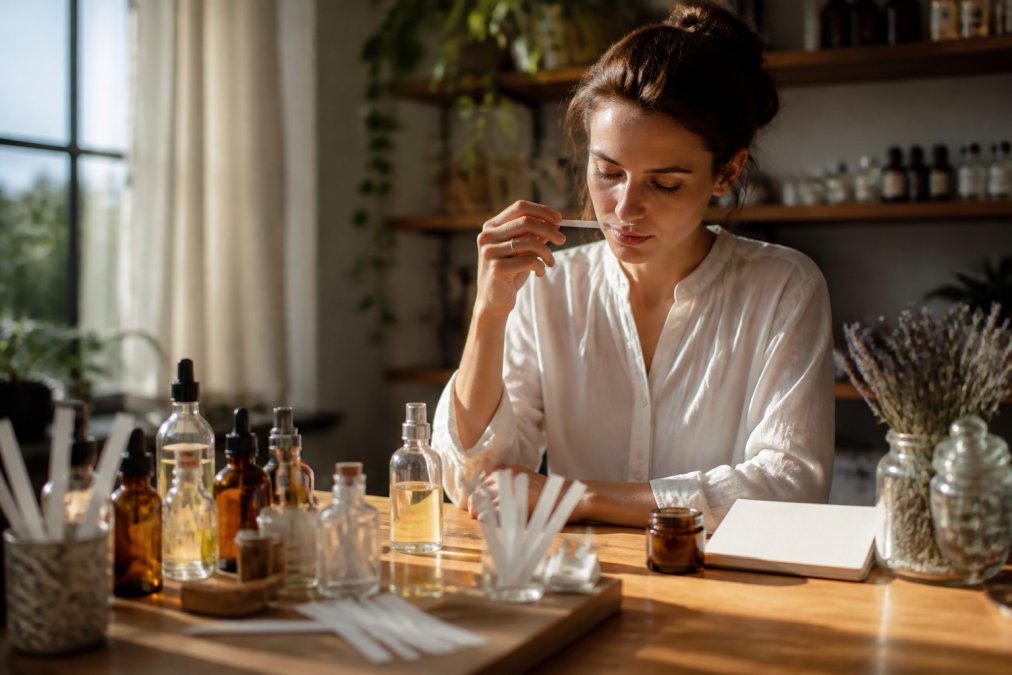
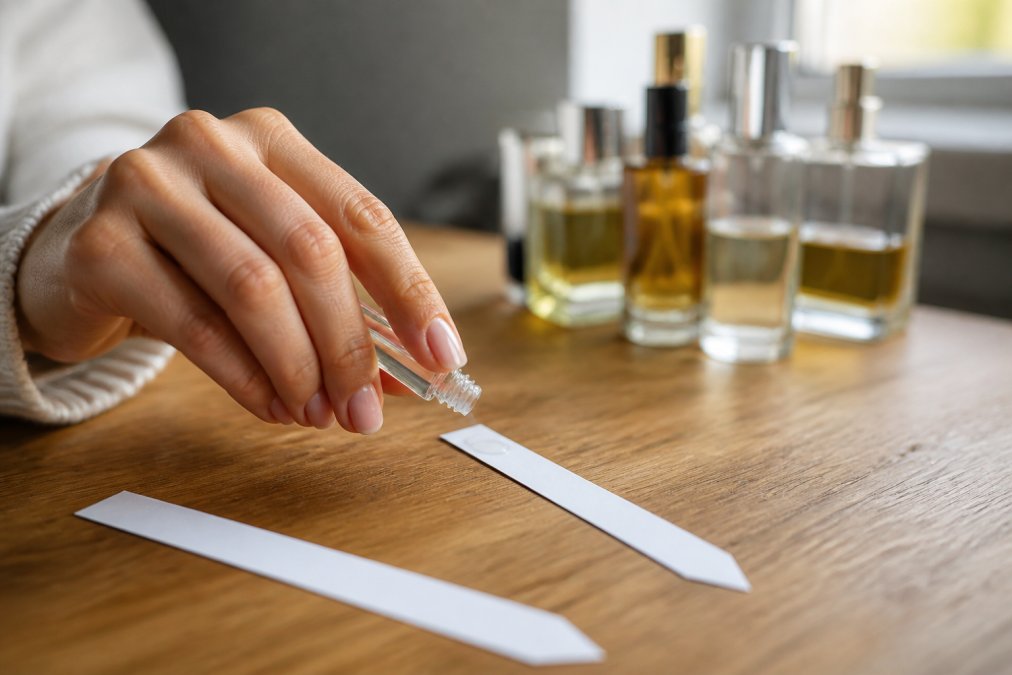
Start with a clean, uncoated paper testing strip. Spray once from about 6 inches away. Hold the strip to your nose without touching it to your skin. Evaluate the opening blast of top notes immediately, then again at the 5-minute and 15-minute marks. This phase reveals the quality of the ingredients and the initial impression the perfumer intended. Write down one or two adjectives for each interval. Top notes typically fade within 15 to 30 minutes, revealing the heart of the fragrance (PubMed).
Phase 2: The Skin Test (Full Day)
After the paper test confirms you like the direction of the scent, move to skin. Spray or dab the fragrance on your inner wrist and the crook of your elbow. Do not rub your wrists together; this crushes the scent molecules and accelerates the breakdown of top notes. Wait at least 30 minutes before making any judgment. The scent evolves through three distinct phases:
- Top notes (0-30 minutes): The initial burst, often citrus, light florals, or aromatic herbs.
- Heart notes (30 minutes to 3 hours): The main body of the fragrance, where the character of the scent becomes apparent.
- Base notes (3-12 hours): The foundation, typically woods, musks, resins, or ambers. This is what lingers on your skin and clothing.
A Critical Mistake Most Beginners Make
Testing multiple fragrances simultaneously causes olfactory fatigue, desensitizing your nose so you can no longer distinguish between scents (the NIH). Limit yourself to two or three fragrances per session, waiting at least 30 minutes between each skin test. To reset your palate, smell unscented coffee beans or sniff the inside of your elbow, which carries your natural skin scent.
The Longevity and Projection Check
Wear the scent for a full 8-hour workday, tracking these data points:
- Longevity: How many hours until the scent becomes a skin scent (only detectable up close)?
- Projection: How long does the scent project beyond arm's length?
- Sillage: Does the scent leave a trail when you walk?
Take notes at the 1-hour, 4-hour, and 8-hour marks. This real-world data is invaluable for deciding whether a fragrance fits your lifestyle. A scent that lasts 2 hours on your skin may be perfect for an evening event but frustrating for a full workday.
Testing on Fabric and Hair
Fragrances behave differently on fabric than on skin. Cotton and wool hold scent longer but can distort the profile. Spray a small, inconspicuous area of a cotton scarf or the inside of your wrist where it touches clothing. Some ingredients, particularly certain musks and woods, can stain light-colored fabrics, so test on an old garment first.
The Weather Variable
Heat amplifies projection and accelerates evaporation; humidity can make a fragrance feel heavier and more cloying; cold weather suppresses projection and can make a scent feel flat. Test the same fragrance in both warm and cool conditions before committing to a full bottle.
Documenting Your Results
Keep a simple fragrance journal. For each sample, record the date, weather, time of application, and your impressions at each phase. Note which scents drew compliments and which made you feel self-conscious. After testing 10 to 15 samples, patterns will emerge that reveal your true preferences, far more reliably than a rushed spritz at a department store counter.
Where to Find Authentic Decants and Samples Online
When department stores fall short, the online marketplace for decants and samples is vast but requires vigilance. The primary concern is authenticity; hand-decanted vials from unverified sources may be diluted, expired, or counterfeit.
The most reliable sources are authorized retailers and the perfume houses themselves. Many niche houses sell official sample kits directly from their websites, guaranteeing the genuine product. Ruth+Bo sells its discovery sets directly, ensuring every vial comes straight from the source without intermediary handling.
How to Spot a Legitimate Decant Service
Legitimate decant services are transparent about their process, clearly stating that they decant from original retail bottles and providing batch codes or proof of purchase upon request.
Look for services that offer secure, leak-proof packaging and detailed scent descriptions. Be wary of prices that seem too good to be true, especially for luxury scents; if a 10ml decant of a $300 fragrance is selling for $5, it is likely diluted or fake. Authentic decant services also tend to have communities or reviews on forums where enthusiasts verify their legitimacy. Check for evaporation issues, which can indicate poor storage or tampering.
The Hidden Costs: Comparing Price Per Milliliter
Understanding the true cost of fragrance sampling requires shifting perspective from the bottle price to the price per milliliter. But the full picture goes deeper than simple division. Most fragrance guides stop at the per-milliliter math and miss the real financial drivers: cost per wear, waste from unused bottles, and the hidden cost of a blind buy that misses the mark.
The Standard Per-Milliliter Breakdown
A full bottle of eau de parfum typically contains 50ml or 100ml. A typical application uses 0.1ml to 0.2ml per spritz, meaning a 100ml bottle delivers roughly 500 to 1,000 wears (the FDA). Consider these scenarios:
| Format | Total Volume | Price | Price per ml | Approximate Wears |
|---|---|---|---|---|
| Full bottle (100ml) | 100ml | $200 | $2.00/ml | 500-1,000 |
| Full bottle (50ml) | 50ml | $120 | $2.40/ml | 250-500 |
| Discovery set (5 x 2ml) | 10ml | $25 | $2.50/ml | 50-100 |
| Individual sample (1ml) | 1ml | $4 | $4.00/ml | 5-10 |
| Decant (10ml) | 10ml | $30 | $3.00/ml | 50-100 |
At first glance, the full bottle appears to be the best value. But this comparison ignores the single largest cost in fragrance ownership: the cost of a bottle you do not wear.
The Real Cost of a Blind Buy
When a blind buy fails, the financial loss is not just the bottle price:
- The bottle itself: $200 for a 100ml purchase
- The wasted product: If you wear it only 10 times, you have used approximately 1-2ml. The remaining 98ml sits unused.
- The effective cost per wear: $200 divided by 10 wears equals $20 per wear, ten times the cost per wear of a fragrance you actually finish.
A discovery set that costs $25 for five 2ml vials totals 10ml, equating to $2.50 per milliliter. The slightly higher cost per milliliter is a worthwhile insurance premium against a costly mistake. If even one of those five samples becomes a full-bottle purchase, the discovery set has paid for itself many times over.
Cost Per Wear: The Metric That Actually Matters
The most honest way to evaluate fragrance value is cost per wear. A $300 bottle of a signature scent you wear 200 times per year costs $1.50 per wear. A $60 bottle of a scent you wear twice before abandoning costs $30 per wear. The expensive bottle is the better investment.
To calculate cost per wear, divide the total price by the number of times you realistically expect to wear the fragrance. For a discovery set, divide the set price by the number of samples you genuinely enjoy and would consider purchasing. This shifts the conversation from price per milliliter to value per experience.
The Waste Factor: What You Never Finish
Most fragrance enthusiasts own more perfume than they will ever use. A typical collection includes several bottles that are less than half empty. When you buy a discovery set, you are paying for exactly the amount you need to make an informed decision. When you blind buy a full bottle, you are paying for 100ml of a scent you may wear only a fraction of.
Unused or lightly used niche fragrances can be resold on dedicated marketplace platforms, but the resale value rarely exceeds 60-70% of the retail price, and only for in-demand scents.
The Long-Term Math for Building a Wardrobe
If your goal is a curated wardrobe of 5 to 10 fragrances you rotate regularly, the sampling-first approach is mathematically superior:
Blind Buy Approach:
- 5 full bottles at $150 average = $750
- Realistic outcome: 2 become daily wears, 2 become occasional wears, 1 is a complete miss
- Effective cost per wearable fragrance: $750 / 4 = $187.50
Discovery Set Approach:
- 3 discovery sets at $30 average = $90 (covering 15-20 different scents)
- You identify 4 fragrances you love
- Purchase 4 full bottles at $150 average = $600
- Total investment: $690
- Realistic outcome: All 4 become part of your regular rotation
- Effective cost per wearable fragrance: $690 / 4 = $172.50
The discovery set approach costs less upfront and results in a higher percentage of wearable purchases.
The Bottom Line
Price per milliliter is a useful starting point, but it is not the whole story. The true cost of fragrance is measured in cost per wear and the percentage of your purchases that actually become part of your daily life. Discovery sets and decants are not just a way to test before you buy; they are the most financially responsible way to build a fragrance wardrobe you will actually use. Every dollar spent on sampling is insurance against the far more expensive mistake of a blind buy that misses the mark.
Storing Your Samples and Decants for Maximum Shelf Life
Once you have collected your samples, proper storage is essential to preserve the fragrance's integrity. Light, heat, and air are the enemies of perfume, causing delicate top notes to evaporate and the scent to degrade over time.
Store your sample vials and atomizers in a cool, dark place, away from direct sunlight and temperature fluctuations. A drawer or closed cabinet is far better than a bathroom shelf, where humidity and heat can accelerate oxidation. Keep vials upright to prevent leakage and minimize the surface area of liquid exposed to air.
Most decants are filled in small vials with minimal headspace to reduce evaporation. Once opened, try to use the sample within six to twelve months to experience the fragrance as intended. While a sealed discovery set can last years, an opened sample will slowly lose its vibrancy, so prioritize testing the scents you are most curious about first.
Your Next Step Toward a Meaningful Fragrance Wardrobe
Building a fragrance wardrobe is a personal journey that should be savored, not rushed. The shift away from department store counters toward curated discovery sets represents a more thoughtful, sustainable way to engage with scent.
At Ruth+Bo, we believe a fragrance should carry meaning, connecting you to a story that resonates with your identity. Our discovery sets let you experience how our modern fragrances evolve on your skin, ensuring that when you choose a full bottle, it is a decision made with confidence, not impulse. Explore our collection to find a scent that speaks to your narrative and become part of a community that values elegance, intention, and timeless storytelling.
Frequently Asked Questions
Where is the best place to buy fragrance samples online?
The best option depends on your goal. For a more guided experience, a niche perfume discovery set from a brand like Ruth+Bo lets you try a curated collection that shares a common theme or story. Decant services are solid choices when you want larger amounts of a specific designer or luxury fragrance without committing to a full bottle.
Are niche perfume discovery sets worth the investment?
Yes, especially when you compare the cost per milliliter to a full bottle you end up disliking. A discovery set lets you test a scent on your skin over several days to see how it evolves and how it lasts. This approach helps you build a perfume wardrobe of only the scents you truly love.
How can I get free samples of perfume without buying anything?
Brands rarely send free samples without a purchase, but you can find complimentary options. Sign up for newsletters from niche houses and retailers to receive promotional offers and early access to sample events. Some loyalty programs reward members with free sample vials. Requesting a sample at a fragrance counter can still work, though availability has declined. Focus your energy on low-cost discovery sets and decants, which offer better value and variety than chasing freebies.
What are the benefits of buying decants versus department store samples?
Decants are taken directly from original retail bottles, so you get an authentic experience of the fragrance. Department store samples are often limited to best-selling designer scents, while decant services let you test niche and luxury fragrances that are harder to find. Decants also come in multiple sizes, so you can buy exactly the amount you need for testing. This approach gives you more control over your budget and a far wider range of scent profiles to explore.
How do I test niche fragrances before committing to a full bottle?
Start with a discovery set or individual sample vials. Apply the fragrance to your pulse points and wear it for a full day to experience the top notes, heart, and dry down. Test only one or two new scents per week to avoid olfactory fatigue. Keep notes on how each scent performs in terms of longevity and sillage. This method helps you make an informed decision before you invest in a full bottle.
Finding the right scent is rarely a straight line. It takes patience, a willingness to experiment, and the right tools to explore without waste. Ruth+Bo offers curated discovery sets that let you test our story-driven, faith-rooted fragrances in your own time, alongside thematic gift sets for those special moments. Get started with Ruth+Bo and build a fragrance wardrobe that reflects who you are, one meaningful spritz at a time.