
Article: Fragrance Gift Guide for Beginners: How to Choose
Fragrance Gift Guide for Beginners: How to Choose
Table of Contents
- Why Fragrance Is One of the Most Personal Gifts You Can Give
- Fragrance Notes 101: Top, Heart, and Base Explained
- The Main Olfactory Families and What They Say About a Person
- How to Choose Perfume for Someone Else Without Getting It Wrong
- Fragrance Discovery Sets for Beginners: The Sample-First Workflow
- Meaningful Gifts for Wedding Anniversary and Other Milestones
- Fragrance Etiquette: Office-Safe Scents and Everyday Wear
- How to Store Fragrance So It Lasts
- Frequently Asked Questions
Last Updated: September 21, 2026
Why Fragrance Is One of the Most Personal Gifts You Can Give
A fragrance gift guide for beginners starts with one uncomfortable truth: scent is the most intimate thing you can hand someone. It sits on their skin, travels into every room they enter, and becomes part of how people remember them. That is why choosing well matters so much, and why so many gift-givers freeze at the counter.
Fragrance Notes 101: Top, Heart, and Base Explained
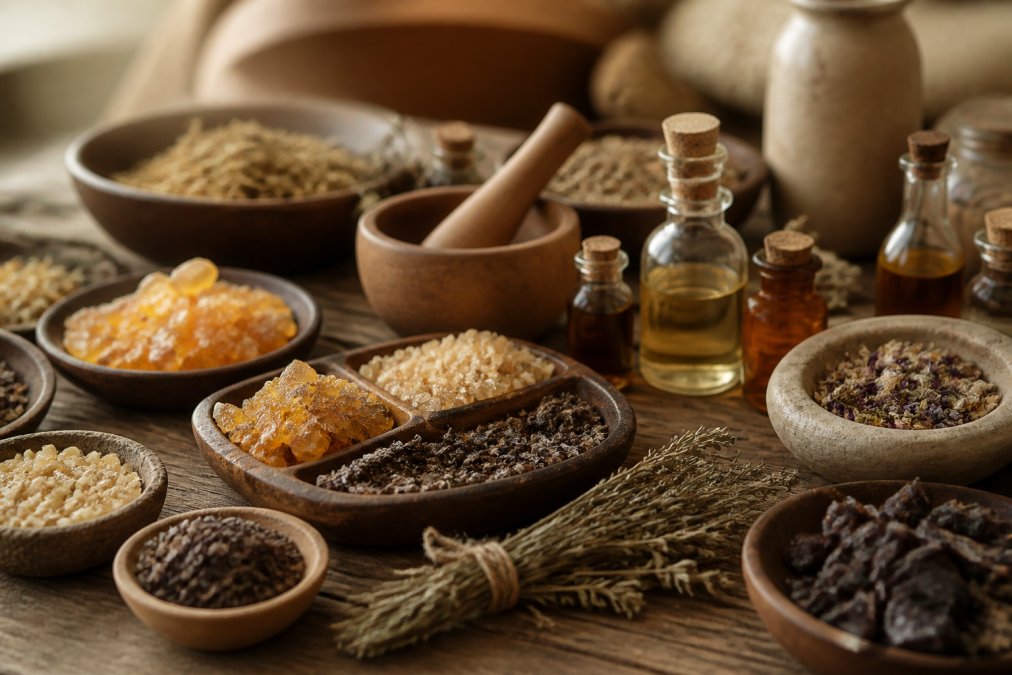
Fragrance notes are the individual scent components that reveal themselves in sequence as a perfume wears on skin. Perfumers group them into three stages, and understanding the sequence is the single fastest way to shop intelligently.
- Top notes: the opening impression. Citrus, bergamot, and light herbs. They last minutes, not hours.
- Heart notes: the core identity. Florals, spices, and fruits emerge as the top fades.
- Base notes: the lasting foundation. Woods, musk, amber, and vanilla anchor everything above them.
How Notes Evolve on Skin
A fragrance is not static. The dry down, meaning what remains after the volatile top notes evaporate, is what your recipient actually lives with all day. This is why a scent that smells sharp in the bottle can turn warm and soft within an hour, and why testing on skin beats testing on paper every time.
The Main Olfactory Families and What They Say About a Person
An olfactory family is a category that groups fragrances by their dominant character. Four families cover most of what you will encounter, and each one signals something different about the wearer.
Floral, Citrus, and Fresh
Florals center on rose, jasmine, and peony. Citrus and fresh scents lean on bergamot, lemon, and green notes. These read as approachable, polished, and daytime-appropriate. They suit someone who prefers light, clean presence over heavy projection.
Woody, Amber, and Gourmand
Woody scents use cedar, sandalwood, and vetiver. Amber blends resins with warmth. Gourmand fragrances borrow from dessert, vanilla, caramel, and tonka bean. This group reads as confident and evening-oriented, and it tends to last longer because the base notes are heavier molecules.
How to Choose Perfume for Someone Else Without Getting It Wrong
Learning how to choose perfume for someone else comes down to a repeatable process, not intuition. Most people already broadcast their preferences; you simply have not been listening for them. The framework below turns scattered clues into a shortlist you can actually shop from.
Step 1: Build a Preference Profile
Start by gathering signals from what your recipient already owns and uses. Work through this checklist:
- Existing bottles. Photograph or note the names on their bathroom shelf. The families they repeat tell you more than anything they would say out loud.
- Adjacent products. Lotion, body wash, laundry detergent, candles, and hand soap all carry scent. A person who buys lavender everything is telling you something.
- Aversions first. Ask what they dislike rather than what they love. People state dislikes more honestly, and a single "I hate patchouli" eliminates a whole branch of the market.
- Season and occasion. A summer wedding, a December anniversary, and a daily office scent call for different weights. Match the concentration and family to the setting.
- Wear history. Notice what they reach for on a normal Tuesday versus a night out. The everyday choice is usually the safer gift.
Step 2: Translate Clues Into a Scent Family
Once you have signals, map them to one of the four families. A person who wears clean, citrusy body products most likely wants fresh or citrus. Someone who burns vanilla candles and drinks spiced coffee leans gourmand or amber. Someone with a cedar-and-leather aesthetic leans woody.
Step 3: Match the Concentration to the Person
Concentration is where most beginners guess wrong. The same scent name sold as an eau de toilette and an eau de parfum will smell related but behave very differently on skin.
| Concentration | Typical Oil Load | Wear Time | Best For |
|---|---|---|---|
| Eau de cologne | Lightest | A few hours | Hot weather, very light wearers |
| Eau de toilette (EDT) | Light | Roughly 3-5 hours | Daytime, office, summer |
| Eau de parfum (EDP) | Moderate to heavy | Roughly 6-8 hours | Evening, cold weather, statement wear |
| Parfum / extrait | Heaviest | Longest | Special occasions, collectors |
Step 4: Know When to Stop Investigating
If you cannot observe the person directly, a new relationship, a long-distance friend, a coworker gift exchange, stop trying to reverse-engineer their taste. Switch formats instead. A discovery set converts a guess into an experience and lets the recipient make the final call themselves. That is a better gift than a confident wrong answer.
Fragrance Discovery Sets for Beginners: The Sample-First Workflow
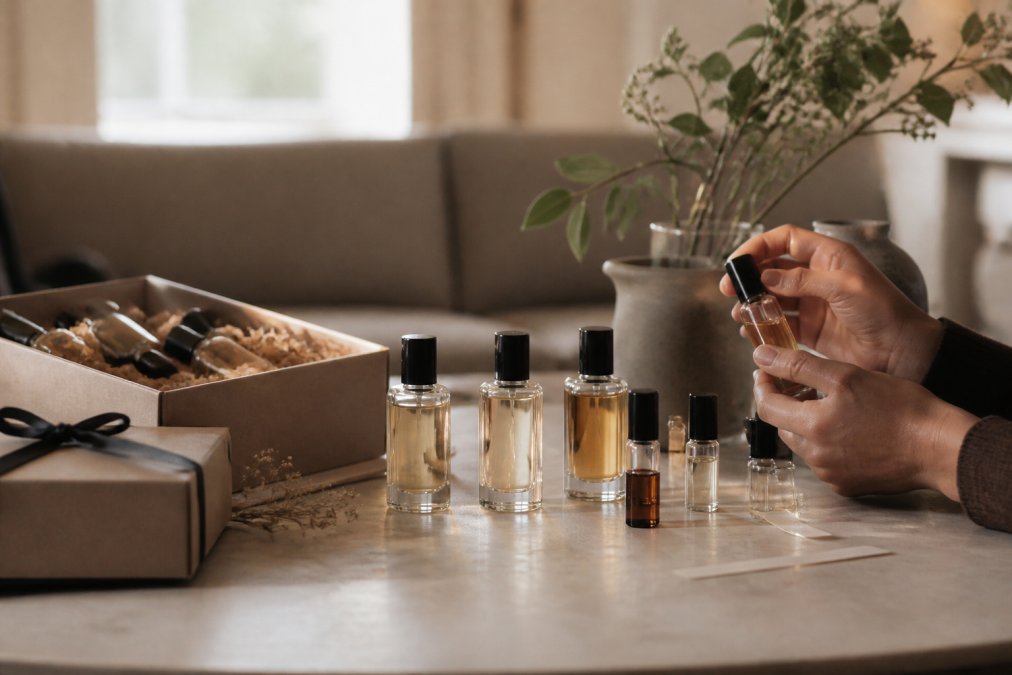
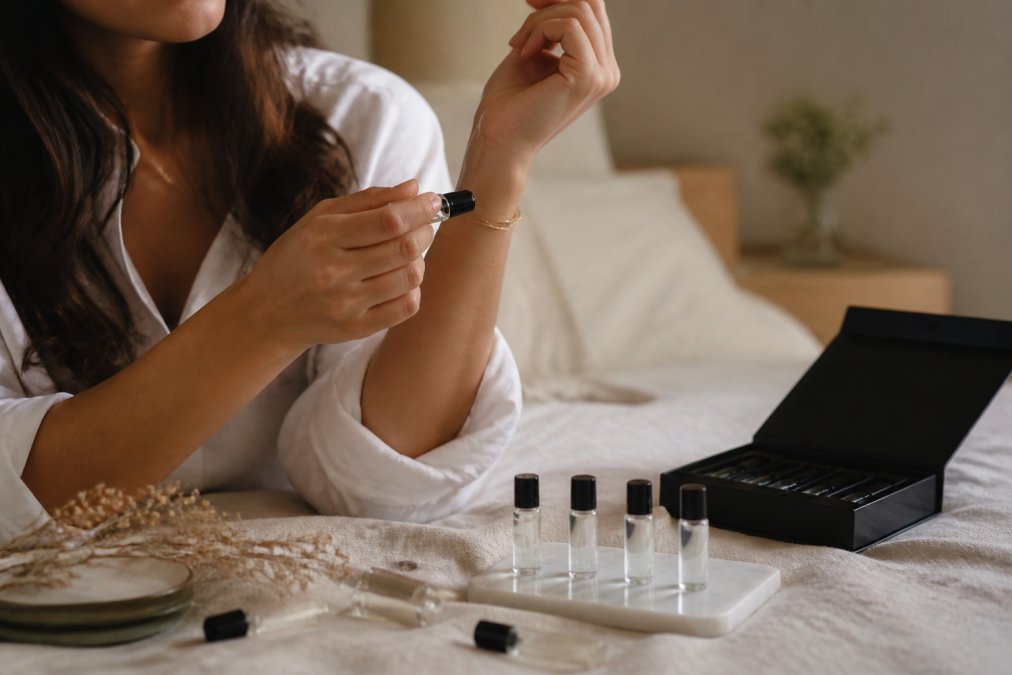
A fragrance discovery set is a curated collection of small vials that lets someone sample multiple scents before committing to a full bottle. For beginners, it is the single most reliable gifting format available. But most guides stop at "buy a sampler." The real value is in how you build and run one.
How to Build a Discovery Kit
A discovery kit is not a random assortment. It is a structured experiment. Build it in four layers:
- Anchor the recipient's known family. Include two or three scents from the family their existing products suggest.
- Add one adjacent family. If they lean fresh, add a light woody. If they lean warm, add a soft floral. This tests whether their taste is broader than their habits.
- Include one wildcard. A single scent outside their profile catches the surprises that make gifting memorable.
- Cover two concentrations. Include at least one EDT and one EDP of a similar scent so they can feel the difference in weight and wear time.
The Two-Week Sampling Protocol
A discovery set only works if it is used deliberately. Hand it over with a simple protocol:
- One scent per day. Never sample two on the same day; your nose fatigues and the comparison blurs.
- Wear it on skin, not paper. Paper strips show the opening only. Skin reveals the dry down, which is what the person actually lives with.
- Apply to one pulse point. A single spray on the wrist is enough to judge projection and longevity.
- Note the reaction at three checkpoints. Immediately after spraying, at the two-hour mark, and at the end of the day. The end-of-day impression is the one that matters most.
- Track compliments and comfort. A scent that draws compliments but feels like a costume is not the winner. The winner is the one they forget they are wearing.
Why a Discovery Set Beats a Blind Buy
A blind buy is a purchase made without smelling the fragrance first. It works occasionally, but it fails often enough that returns become routine. Skin chemistry, meaning how a fragrance reacts with an individual's body heat and pH, changes everything. Two people wearing the same scent can smell noticeably different.
| Approach | Risk Level | Best For |
|---|---|---|
| Blind buy full bottle | High | Known favorites only |
| Discovery set | Low | First-time gifting |
| In-store testing only | Medium | Immediate purchases |
| Themed gift set | Low | Couples and milestones |
Decoding the Notes While You Sample
As the recipient works through the kit, teach them to read the pyramid. Every fragrance moves through three stages, and the sample vials make the sequence visible in a way a single bottle never does.
- Top notes hit in the first minutes: citrus, bergamot, light herbs. They are the first impression and the first to vanish.
- Heart notes emerge as the top fades, usually within 15 to 30 minutes: florals, spices, fruits. This is the scent's core identity.
- Base notes settle in after an hour and last for hours: woods, musk, amber, vanilla. This is the dry down, and it is what the person actually wears all day.
Turning the Kit Into a Full Bottle
At the end of two weeks, the recipient should have one or two clear favorites. Buy the full bottle only for the winner. If two scents tie, buy the one that fits the season they will wear it in most. Ruth+Bo's discovery sets exist for exactly this reason: convenient exploration of story-driven scents before you commit.
Meaningful Gifts for Wedding Anniversary and Other Milestones
Meaningful gifts for wedding anniversary occasions need to carry weight beyond the object itself. Fragrance does that better than almost anything, because it becomes tied to memory. A scent worn on a tenth anniversary will, years later, bring that day back instantly.
Fragrance Etiquette: Office-Safe Scents and Everyday Wear
Office-safe fragrance comes down to projection and application, not family. Projection is how far a scent travels from the body; sillage is the trail left behind as someone moves. Both should stay modest in shared spaces.
Practical rules for workplace wear:
- Apply one or two sprays maximum, never more.
- Target pulse points: wrists, neck, and behind the ears.
- Choose lighter concentrations for daytime.
- Reapply at home, not at your desk.
How to Store Fragrance So It Lasts
For deeper guidance on fragrance ingredients and safety standards, the International Fragrance Association standards publishes the compliance framework most reputable houses follow.
Frequently Asked Questions
How do you choose a fragrance for someone who doesn't know what they like?
Start with a discovery set rather than a full bottle. Look at what they already wear, what candles they burn, or how they describe scents they enjoy. A sampler set lets them test five to eight fragrances on their own skin over several days, so they learn their own preferences without pressure. Pay attention to whether they gravitate toward fresh citrus, warm amber, or soft floral notes, then narrow from there.
What are the best fragrance notes for beginners?
Citrus, light floral, and soft woody notes are the easiest starting points because they rarely overwhelm. Bergamot, neroli, jasmine, and sandalwood appear in many beginner-friendly fragrances and work across seasons. Gourmand notes like vanilla and caramel are popular but heavier, so they suit someone who already enjoys sweet scents. If you are unsure, a discovery set covering several olfactory families is the safest way to find what clicks.
Is it better to gift a discovery set or a full-size bottle?
For anyone new to fragrance, a discovery set is almost always the better gift. Full bottles cost more and commit the recipient to one scent they may not love. A sampler set lets them test multiple fragrances on their own skin chemistry, compare longevity and dry down, and decide which one deserves a full-size purchase later. It also shows more thought than grabbing the first bottle on a shelf.
How can I tell if a fragrance is high quality?
Check how the scent evolves over time. A well-made fragrance moves through top, heart, and base notes rather than staying flat. Look for clear ingredient disclosure and IFRA compliance, which shows the brand follows safety standards for skin contact. Longevity matters too: a quality eau de parfum typically lasts six to eight hours on skin, while weaker formulas fade within two or three.
What does it mean to gift a narrative-driven fragrance?
A narrative-driven fragrance is built around a story, memory, or theme rather than a trend. The scent notes are chosen to evoke that story, so wearing it feels personal. Brands like Ruth+Bo root their fragrances in faith and timeless narratives, which makes them a thoughtful choice for milestones. The gift becomes about meaning, not just smelling good.
How do I determine someone's scent profile without asking them?
Notice what they already use. Check their bathroom shelf, their favorite candle, or the lotion they reach for daily. If they wear citrus body wash and fresh laundry detergent, they lean toward fresh and clean scents. If they love vanilla candles and warm baked goods, gourmand or amber notes will likely appeal. You can also ask a close friend or family member what they have seen them wear.
Choosing a fragrance gift is a test of attention more than taste. The good news is that attention can be practiced, and the sample-first approach removes most of the risk. Ruth+Bo makes that easy with story-driven discovery sets, curated feminine and masculine collections, and thematic gift sets built for couples and milestones. Every scent is designed to be worn daily, not saved for special occasions. Explore the collection and find the fragrance that fits the person you have in mind.